Engagement ring shopping arrives with its own vocabulary, and it can make a joyful decision feel like an exam. It shouldn’t. Here is everything you need, in plain words.
The four Cs, in a sentence each
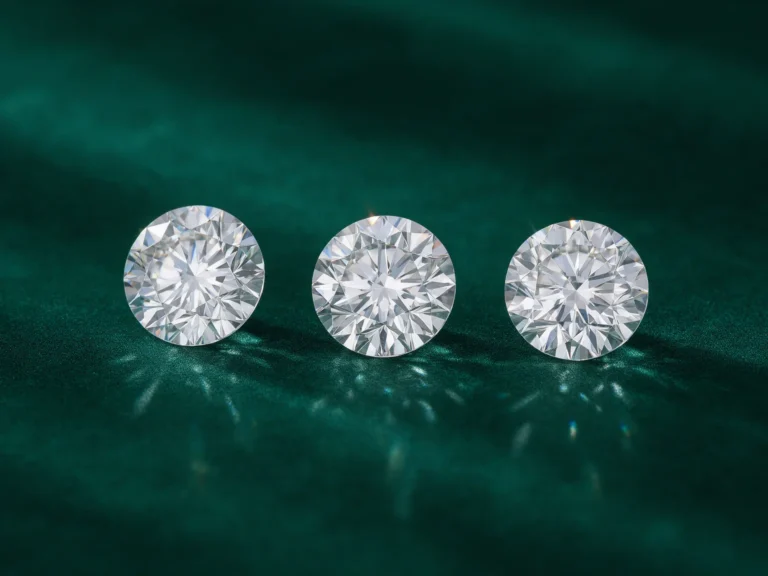
- Cut is how well the stone has been shaped to return light to your eye. It has the biggest effect on sparkle, so it is the last place to economise.
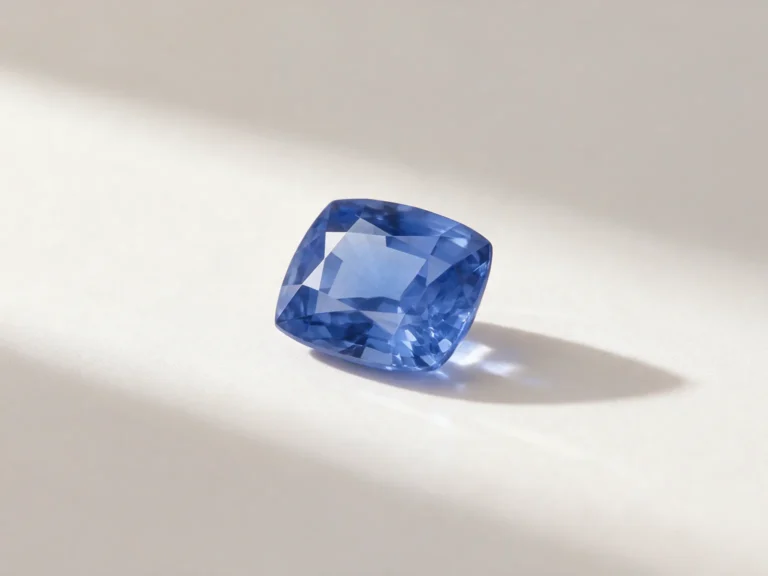
- Colour describes how white a diamond is, graded from D (colourless) down the alphabet. Most people cannot see the difference between neighbouring grades once a stone is set.
- Clarity describes tiny natural features inside the stone. Many are invisible without magnification; “eye-clean” is what matters day to day.
- Carat is weight, not size: one carat is 0.2 grams. Two stones of the same weight can look different sizes depending on their cut and shape.
Three decisions that matter more than any chart
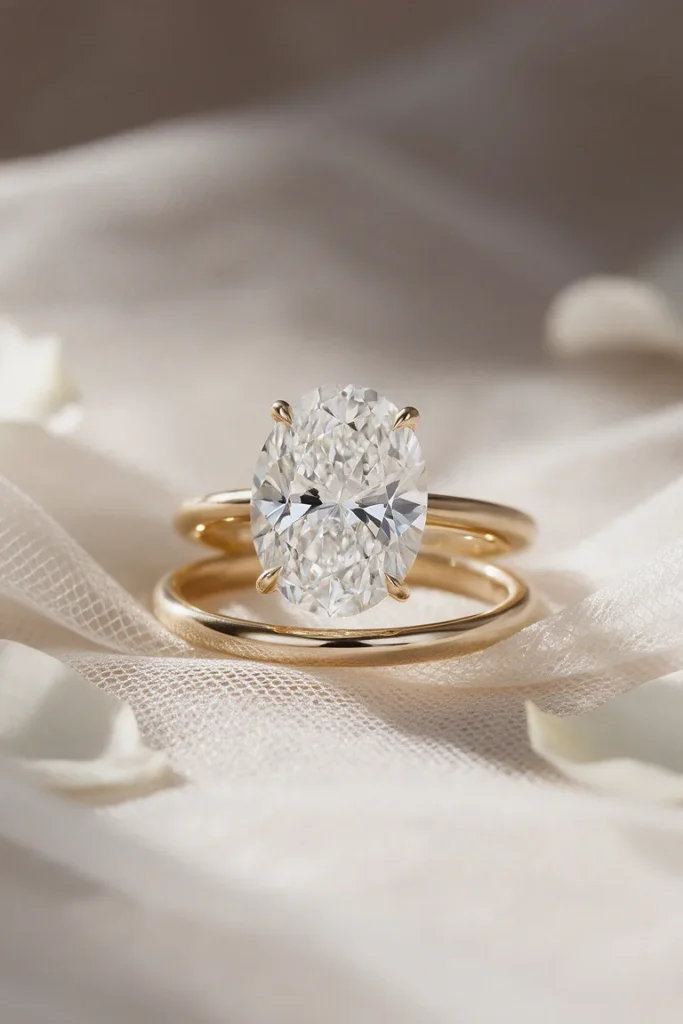
The shape. Round is classic and the most brilliant. Oval and pear shapes look larger for their weight and lengthen the finger. Emerald cuts are calm and architectural. Start with the shape your partner already admires.
The setting. Claws (prongs) let in the most light. A bezel, a thin rim of metal around the stone, protects it and suits busy hands. A halo of small stones adds presence around a smaller centre.
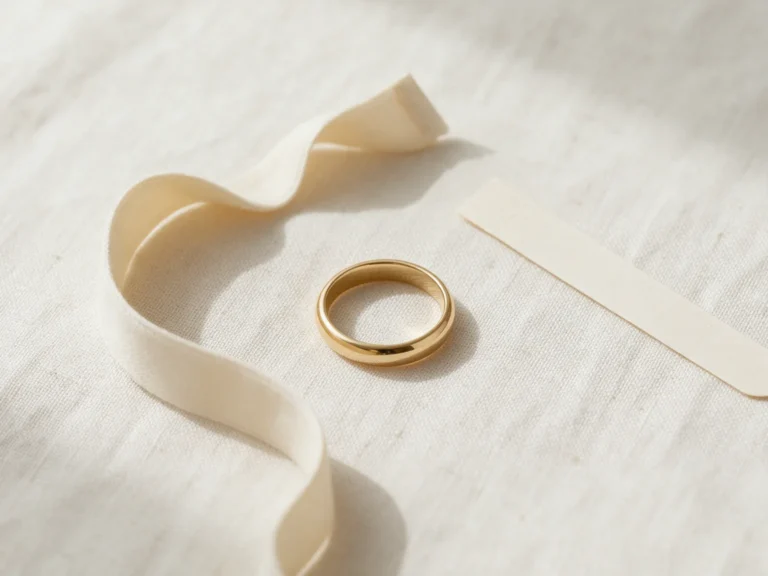
The metal. Yellow, white or rose gold, or platinum. Think about the jewellery they already wear every day, and how a wedding band will sit beside it later.
A note on budget
There is no rule about how much an engagement ring should cost. Decide on a figure you are comfortable with, then let us show you the best stone and setting within it. A beautifully cut smaller stone will outshine a larger, poorly cut one.
If you would like to see options side by side, book a private viewing. We will talk you through it, without the jargon.